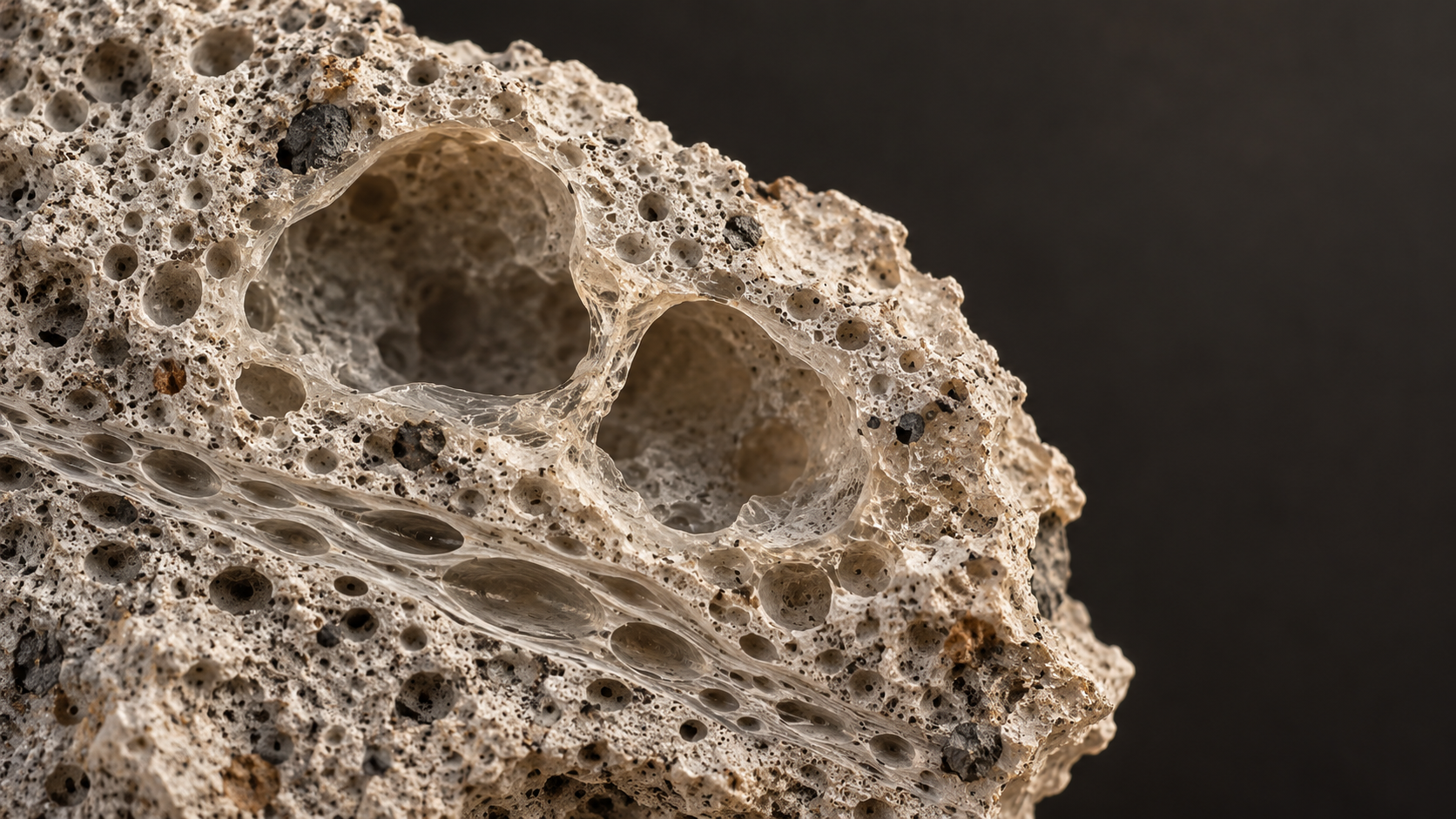
Reading the bubbles in volcanic glass
Vesicles preserve traces of gas leaving magma, but growth, merger, flow and the cut of a specimen all change the pattern a reader sees.
About the author
I write about the evidence stored in rocks, soils and landforms. I follow the steps between a field observation and a geological explanation, with particular attention to uncertainty and timescale.
I build each essay around a concrete question, read the underlying sources and separate observed results from interpretation. I want the details to remain clear enough that a reader can follow the argument and examine the evidence.
Vesicles preserve traces of gas leaving magma, but growth, merger, flow and the cut of a specimen all change the pattern a reader sees.
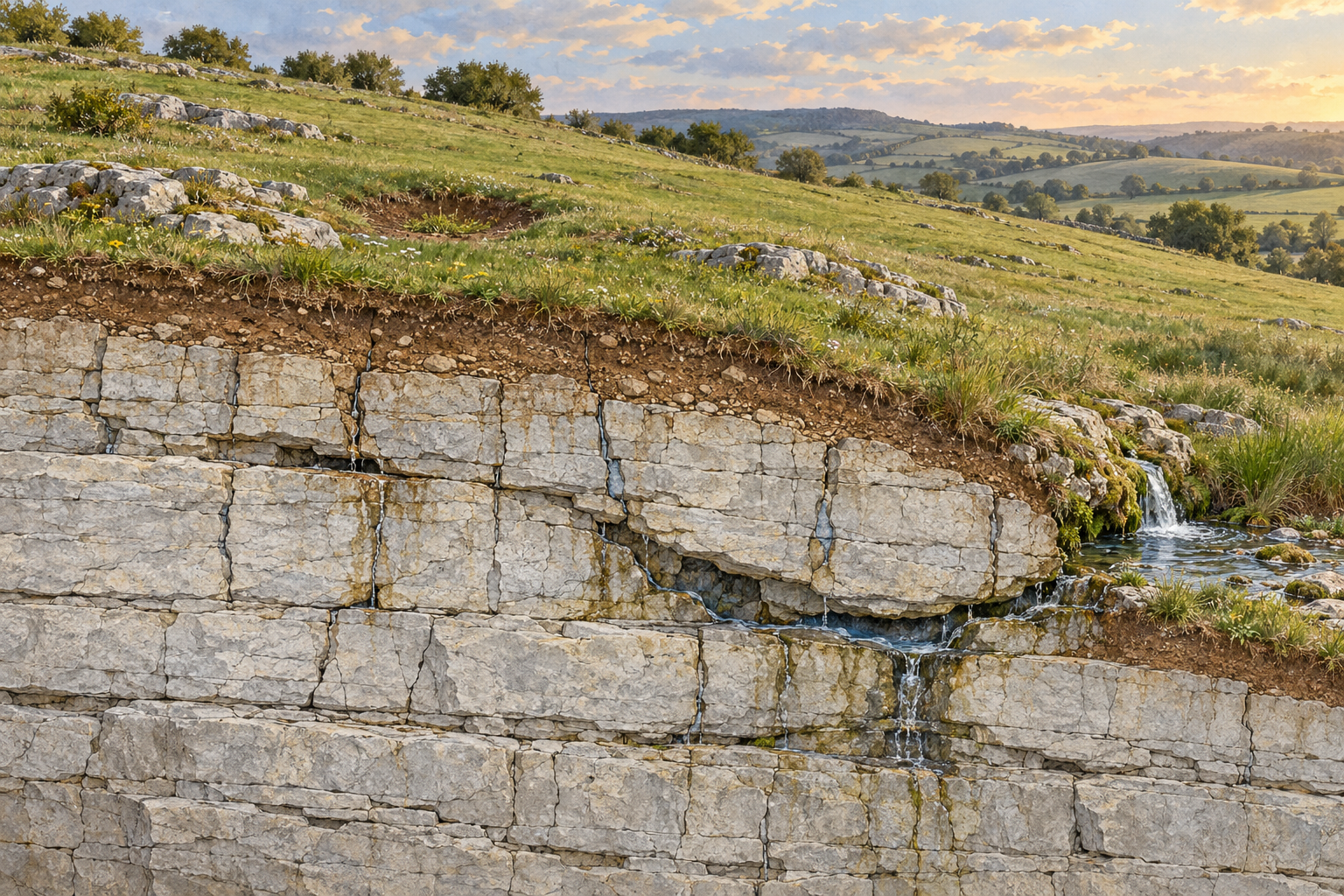
A limestone field can hide a connected drainage landscape. Dye traces, weathering experiments and sinkhole investigations show how water enters rock, travels through it and sometimes carries soil away.
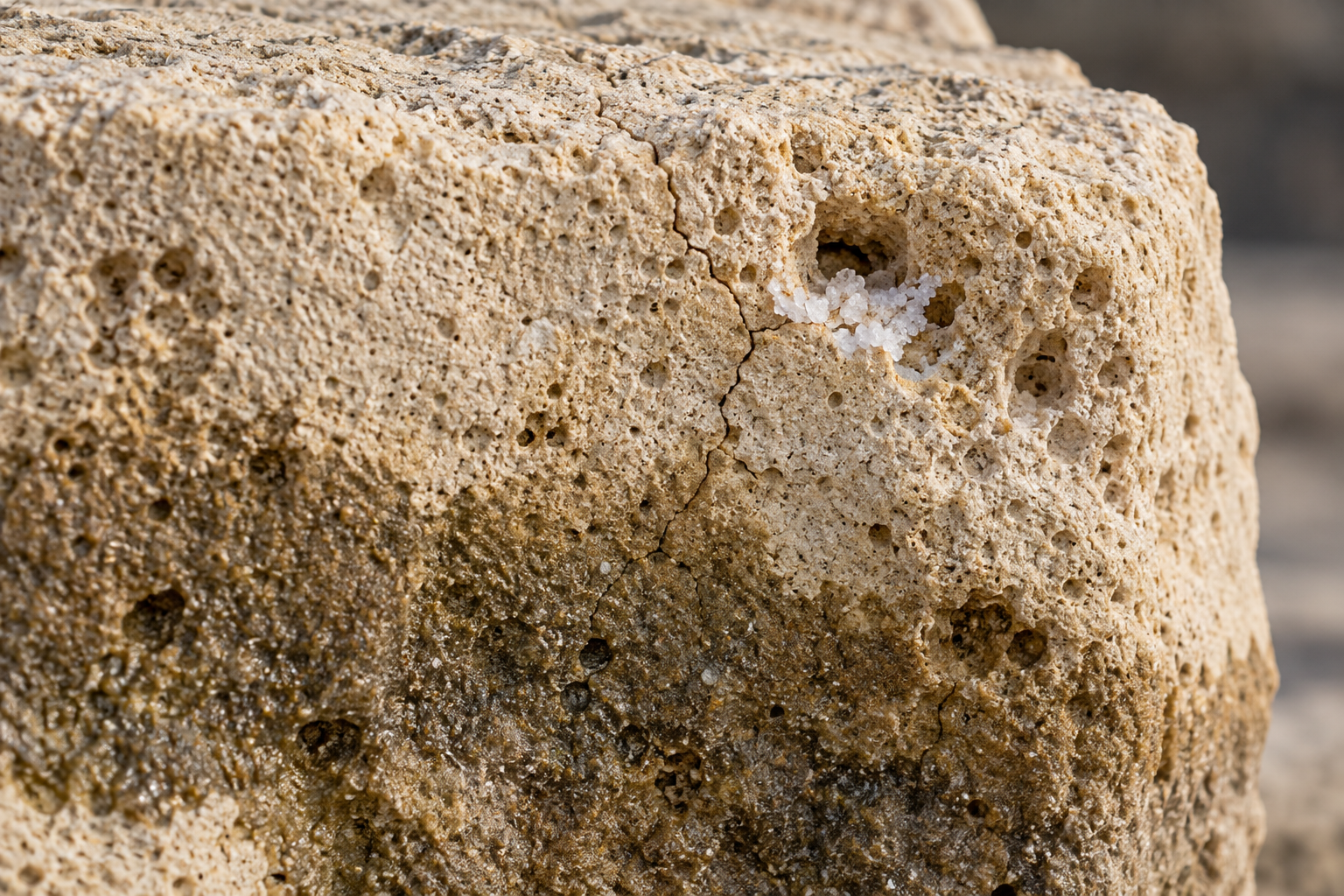
Salt can leave a white bloom on stone or grow under its surface. The damaging difference lies in water, pore space and the pressure of a confined crystal.
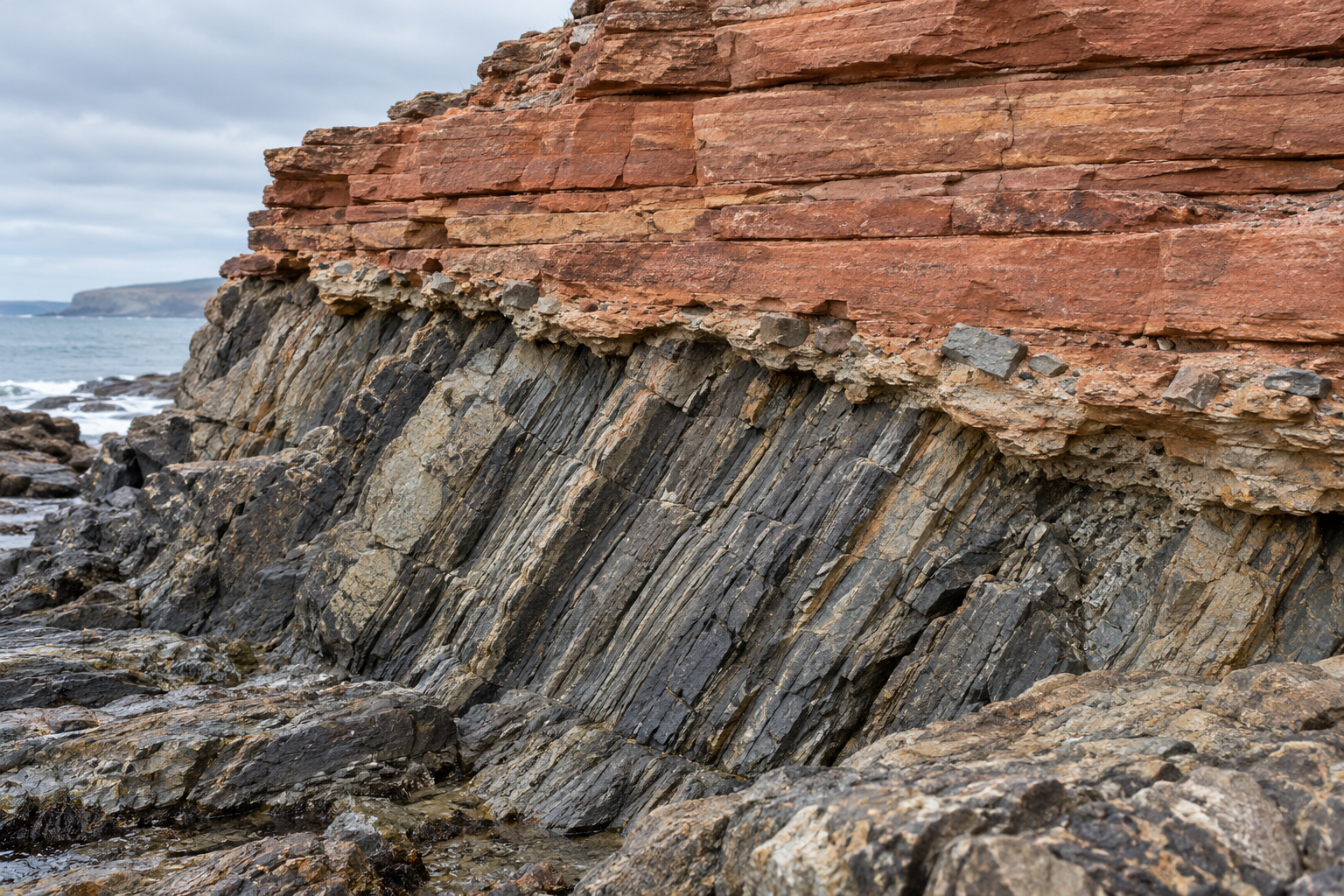
An unconformity marks a break in the local rock record. At Siccar Point and Grand Canyon, angles, fossils, mineral ages and fragments of older stone reveal what a missing interval can still tell us.
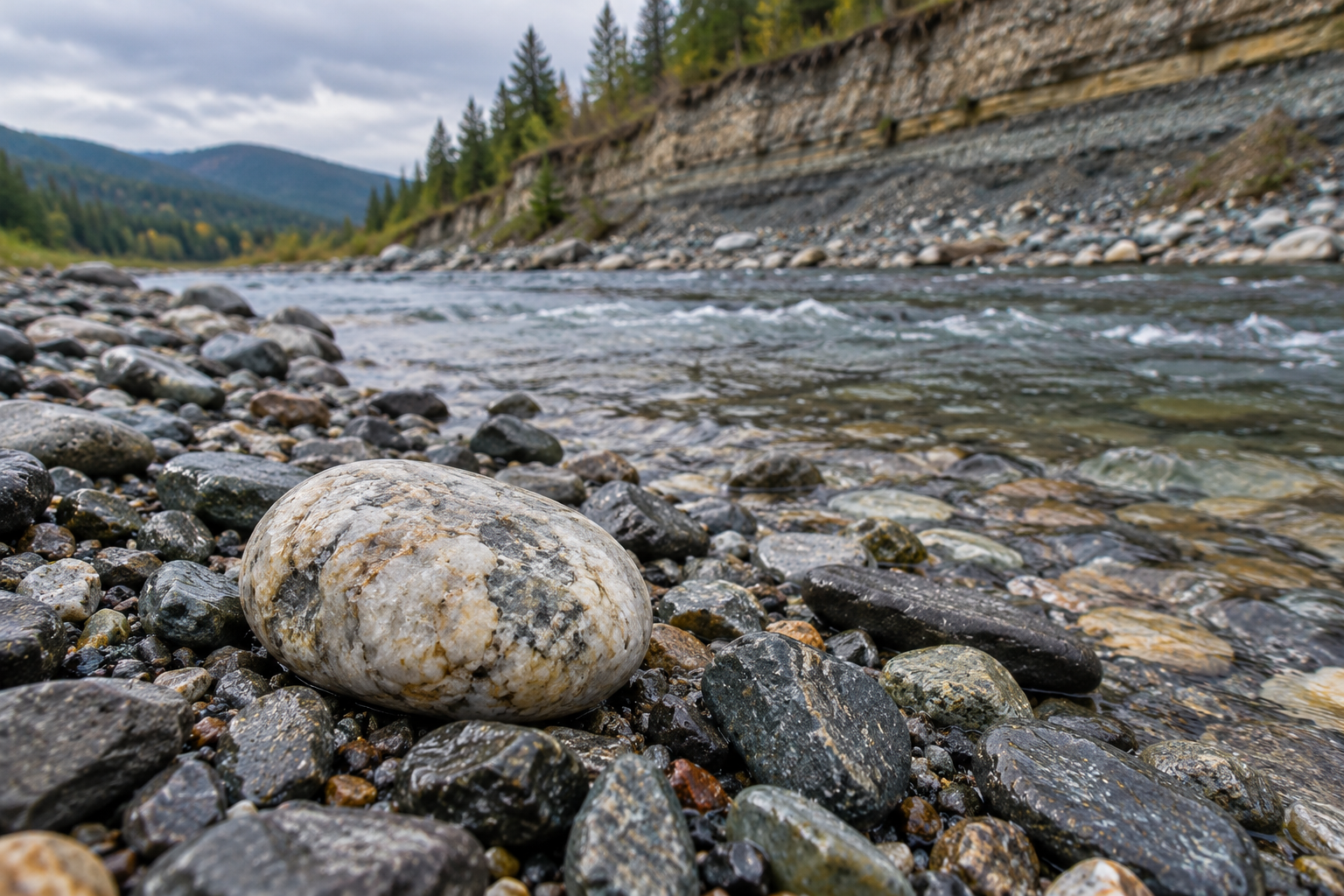
A round pebble has met other surfaces, but its smoothness is no odometer. Rock type, broken edges, intermittent floods and recycled gravel complicate the journey it seems to show.